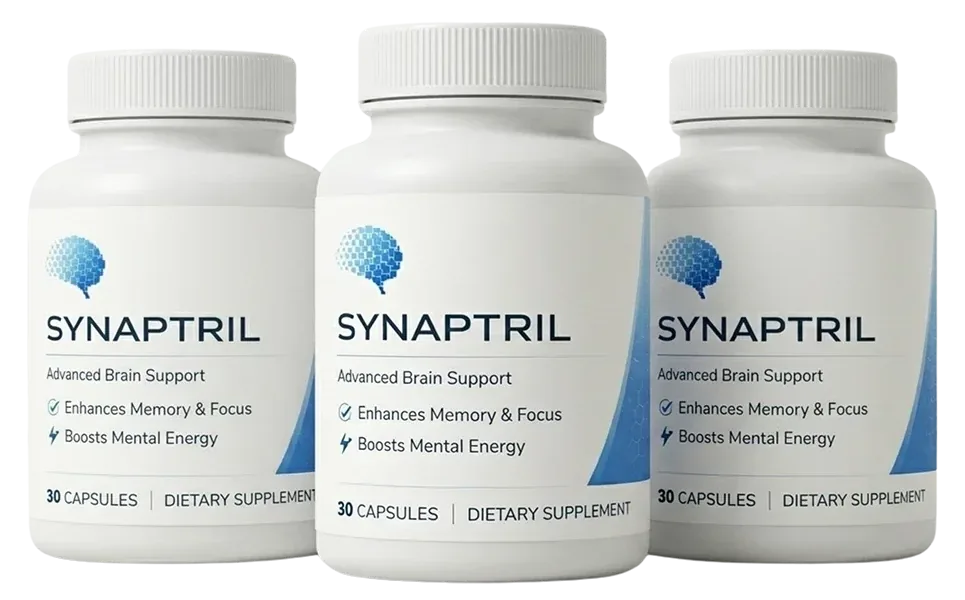
Supplements and medicines
Brain Supplements and Your Medicines: What Interacts?
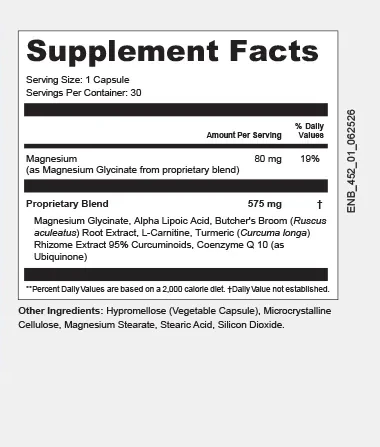
Supplement drug interactions happen when a supplement changes how a medicine works, or the reverse. For a brain supplement like Synaptril, the ones to know are warfarin (CoQ10), diabetes medicines (alpha lipoic acid), some antibiotics and bone drugs (magnesium) and seizure medicines (carnitine levels). Show the bottle to your pharmacist before you start.
Written by the Synaptril label deskUpdated
The basics01
What are supplement drug interactions?
Supplement drug interactions are changes in how a medicine works because of a supplement taken with it. The supplement may weaken a drug, add to its effect, or block its absorption.
NCCIH warns that "natural" does not always mean safe. Supplements can interact with prescription and over-the-counter medicines, and some are risky before surgery (NCCIH, Using Dietary Supplements Wisely).
Keep taking prescribed medicine exactly as directed. The fix for an interaction is a conversation with your prescriber, never a skipped dose.

The chart02
Which medicines interact with brain supplement ingredients?
Five medicine groups matter for Synaptril's ingredients: blood thinners, diabetes medicines, certain antibiotics, osteoporosis drugs and seizure medicines. Water pills and long-term acid reducers also change magnesium levels (NIH ODS, Magnesium).
Turmeric is a special case. NCCIH names no specific drug interactions for it, so ask your pharmacist rather than guess (NCCIH, Turmeric).
| Ingredient | Medicine | What can happen | What to do |
|---|---|---|---|
| Coenzyme Q10 | Warfarin | May weaken its effect (Linus Pauling Institute, Coenzyme Q10) | Ask your prescriber; INR may need checking |
| Alpha lipoic acid | Insulin, diabetes pills | Blood sugar may drop further (Linus Pauling Institute, Lipoic Acid) | Monitor glucose; tell your doctor |
| Magnesium | Tetracycline, quinolone antibiotics | Binds the drug (NIH ODS, Magnesium) | Antibiotic 2 h before or 4-6 h after |
| Magnesium | Bisphosphonates | Less drug absorbed (NIH ODS, Magnesium) | Space at least 2 h apart |
| L-carnitine | Valproic acid, phenytoin and others | These drugs lower carnitine (NIH ODS, Carnitine) | Ask your neurologist |
| Turmeric | None named by NCCIH | Unknown (NCCIH, Turmeric) | Ask your pharmacist |
Pick a medicine type to see which ingredient matters.
Blood thinners (warfarin)
- Coenzyme Q10Reported to reduce warfarin's effect; your INR may need checking. (Linus Pauling Institute, Coenzyme Q10)
Diabetes medicines
- Alpha lipoic acidMay lower blood sugar further; check your glucose more often. (Linus Pauling Institute, Lipoic Acid)
Antibiotics (tetracyclines, quinolones)
- MagnesiumBinds these antibiotics; take them at least 2 hours before or 4-6 hours after. (NIH ODS, Magnesium)
Osteoporosis drugs (bisphosphonates)
- MagnesiumCan reduce absorption; separate by at least 2 hours. (NIH ODS, Magnesium)
Water pills and acid reducers (PPIs)
- MagnesiumThese drugs change magnesium levels; your doctor may check them. (NIH ODS, Magnesium)
Seizure medicines
- L-carnitineValproic acid and some other seizure drugs lower carnitine levels; ask your neurologist. (NIH ODS, Carnitine)
Liver problems or many medicines
- TurmericRare liver injury, mostly with high-absorption curcumin; stop and call a doctor for dark urine or yellow skin. (NIH LiverTox, Turmeric)
A starting list for a talk with your pharmacist, not a full interaction check. Keep taking prescribed medicine; never stop or change a dose because of a supplement.
Blood thinners03
Can you take a brain supplement with a blood thinner?
Only with your prescriber's okay. Coenzyme Q10 has been reported to reduce warfarin's effect, so people on warfarin should consult their prescriber and have INR checked (Linus Pauling Institute, Coenzyme Q10).
Ginkgo, common in other brain products, may raise bleeding risk with anticoagulants such as warfarin (NCCIH, Ginkgo). Synaptril does not list ginkgo, but check any other product you take.
More detail: brain supplements and blood thinners.
Diabetes04
Do brain supplements affect diabetes medicines?
Some can. Alpha lipoic acid may add to the effect of drugs that lower blood sugar, and people on insulin or diabetes pills should monitor their glucose (Linus Pauling Institute, Lipoic Acid).
A rare reaction called insulin autoimmune syndrome has also been linked to alpha lipoic acid, with about 27 reported cases, mostly in Japan (MSKCC About Herbs, Alpha-Lipoic Acid).
Metformin can lower vitamin B12 over time (NIH ODS, Vitamin B12). If you take it and feel foggy, ask about a B12 test before adding any brain supplement.
Timing05
How do you space magnesium from antibiotics and bone drugs?
Take a tetracycline or quinolone antibiotic at least 2 hours before magnesium, or 4 to 6 hours after it. Keep bisphosphonates at least 2 hours apart (NIH ODS, Magnesium).
Synaptril's label gives no time of day, so you can move the capsule. Worked example: antibiotic at 8:00 am, capsule at noon or later. That is 4 hours after, and inside the rule.
- 8:00 am
Antibiotic, as prescribed.
- 12:00 pm
Magnesium-containing capsule, with lunch.
- Evening
Next antibiotic dose stays on its own schedule.

Synaptril: from $49 a bottle30 capsules · 2, 3 or 6 bottles · free shipping on 3 or 6 · 60-day guarantee
See packsSeizure medicines06
Does L-carnitine interact with seizure medicines?
Seizure medicines work the other way round: valproic acid, phenobarbital, phenytoin and carbamazepine lower blood carnitine levels (NIH ODS, Carnitine). Some pivalate antibiotics do too.
Synaptril holds at most about 58 mg of L-carnitine, far below the 1 to 4 g used in trials. If you take one of these drugs, let your neurologist decide whether carnitine matters for you.
Before you start07
What should you tell your doctor before taking a brain supplement?
Tell your doctor and pharmacist about every supplement you take, and any surgery you have planned (NCCIH, Using Dietary Supplements Wisely). Bring the bottle so they can read the full label.
Also say if you are pregnant, nursing or under 18: Synaptril's label rules those groups out. Five quick questions give a first read.
Full list: Synaptril side effects.
If something goes wrong08
How do you report a reaction to a supplement?
Stop the supplement and contact your provider if you have side effects (NCCIH, Using Dietary Supplements Wisely). Then report it to FDA through the online Safety Reporting Portal, or call 1-888-463-6332 (FDA, How to Report a Problem).
Turmeric products have been linked to rare liver injury, mostly high-absorption forms (NIH LiverTox, Turmeric). Dark urine, yellow skin or eyes, or unusual tiredness: stop and call a doctor.
FAQ09
Questions about supplement drug interactions
Can I take a brain supplement with metformin?
Ask your doctor first. Alpha lipoic acid, found in some brain supplements, may lower blood sugar further when combined with diabetes medicines. Metformin can also lower vitamin B12 over time. Keep taking metformin as prescribed, and check your glucose more closely if your doctor agrees to a trial.
How far apart should magnesium and doxycycline be taken?
Take doxycycline, a tetracycline antibiotic, at least 2 hours before magnesium or 4 to 6 hours after it. Magnesium binds the drug and can reduce how much you absorb. Since Synaptril has no set time of day, you can move the capsule to fit the antibiotic.
Do I need to stop a brain supplement before surgery?
Tell your surgeon about every supplement, because some are risky around surgery. Ask them when to pause it and when to restart. Bring the bottle to your pre-surgery visit so the team can read the full ingredient list instead of guessing from a brand name.
Can a brain supplement interact with acid reflux pills?
Indirectly, yes: some acid reducers can shift nutrient levels. Long-term proton pump inhibitor use, usually over a year, can cause low magnesium, and acid-reducing drugs can lower vitamin B12. Ask your doctor whether a blood test is worth doing before you add a supplement.
Which seizure medicines lower carnitine levels?
NIH lists valproic acid, phenobarbital, phenytoin and carbamazepine as anticonvulsants that lower blood carnitine levels. Pivalate-conjugated antibiotics do the same. If you take one of these, ask your neurologist before adding any carnitine product, and keep your seizure medicine exactly on schedule.
How do I tell the FDA about a reaction to a brain supplement?
Report it to FDA through the online Safety Reporting Portal. If you cannot use the website, call 1-888-INFO-FDA (1-888-463-6332). Stop the supplement and call your provider first, and keep the bottle so you can give the lot code and ingredient list.
Should my pharmacist see my supplement bottle?
Yes. A pharmacist can check each ingredient against your medicine list in a few minutes. Bring the bottle itself, not a photo of the front, because interactions depend on what the Supplement Facts panel and ingredient list actually say.
Who wrote this10
Written and reviewed by
Pages built from the label, the sales page and linked NIH, FDA, CDC, FTC and peer-reviewed sources.
Last updated . Learn about our editorial standards and how we check reviews. This website is run by a U.S. retail partner of Synaptril, not by the manufacturer or the distributor. We make money when you buy through our order links.
Keep reading
Related Synaptril reading
U.S. retail partner of Synaptril
Ready to try Synaptril?
Check your medicines, then choose a pack. Packs of three or six bottles ship free at a lower price per bottle, and all of them carry the 60-day money-back guarantee.
- Secure BuyGoods checkout
- 60-day money-back guarantee
- Ships from the U.S.